
For some Houston families, keeping the lights on is becoming harder to afford.
“It’s extremely frustrating. It’s just getting to the point where it’s becoming unaffordable and it’s something that we need,” said Celeste Crutchfield.
Electricity prices have increased about 40% over the past five years, according to University of Houston energy expert Ramanan Krishnamoorti.
Now, with Gina Hinojosa elected Texas governor, there’s renewed attention on one of her campaign promises: making electricity more affordable by freezing residential rates and requiring large electricity users, including data centers, to pay their fair share of the costs associated with the power grid.
The Crutchfield sisters say they welcome the idea of someone advocating for lower electricity costs. But they also want to see whether Hinojosa follows through.
“They just always saying stuff and not doing it. She just got here. So we’ll just, we’ll give her some time,” Cecily Crutchfield said.
What would it take to deliver on that promise?
Hinojosa won’t be able to simply order electricity rates down. The Public Utility Commission of Texas regulates key parts of the electricity market, and changing how large electricity users pay for grid costs could require action from state lawmakers.
But Krishnamoorti says the governor has tools to influence those decisions. One is the power to veto specific spending items in the state budget, which he says could give Hinojosa leverage to push lawmakers toward her priorities.
He also points to what’s happening behind the scenes in the state’s electricity system.
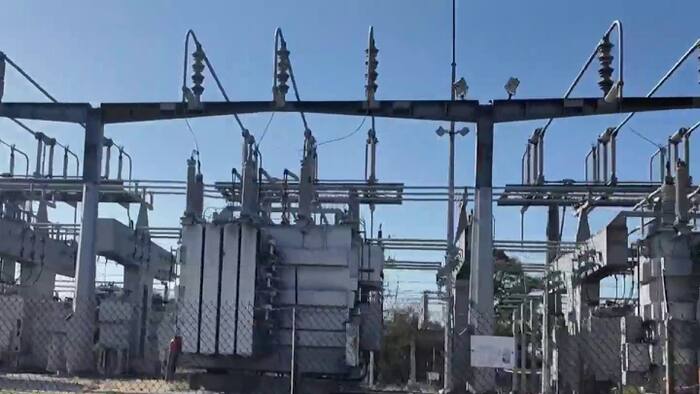
Krishnamoorti says wholesale electricity prices in Texas have either stayed flat or declined slightly over the past six years. But the cost of delivering electricity to homes also includes the infrastructure needed to keep power flowing, such as power lines, substations and other equipment.
He says investments in that infrastructure are one factor adding to the costs consumers pay.
Making large electricity users, like data centers, shoulder more of those costs could help keep residential prices down, Krishnamoorti said.
“If we can start to get them to pay their fair share of accessing this power, I think there is a way to actually freeze, freeze and potentially into the future, actually reduce the average cost of electricity,” he said.
Texas lawmakers have already passed Senate Bill 6, which establishes requirements for large electricity users connecting to the grid. But Hinojosa wants to go further, making sure large users pay more of the costs associated with their demand on the state’s power system.
For Celeste Crutchfield, having someone in the governor’s office advocating for lower prices matters.
“There should be someone in, you know, place to advocate for us to get the prices lower,” she said.
Hinojosa is expected to take office in January. Turning her campaign promise into lower electricity bills will take policy changes — and time.


